
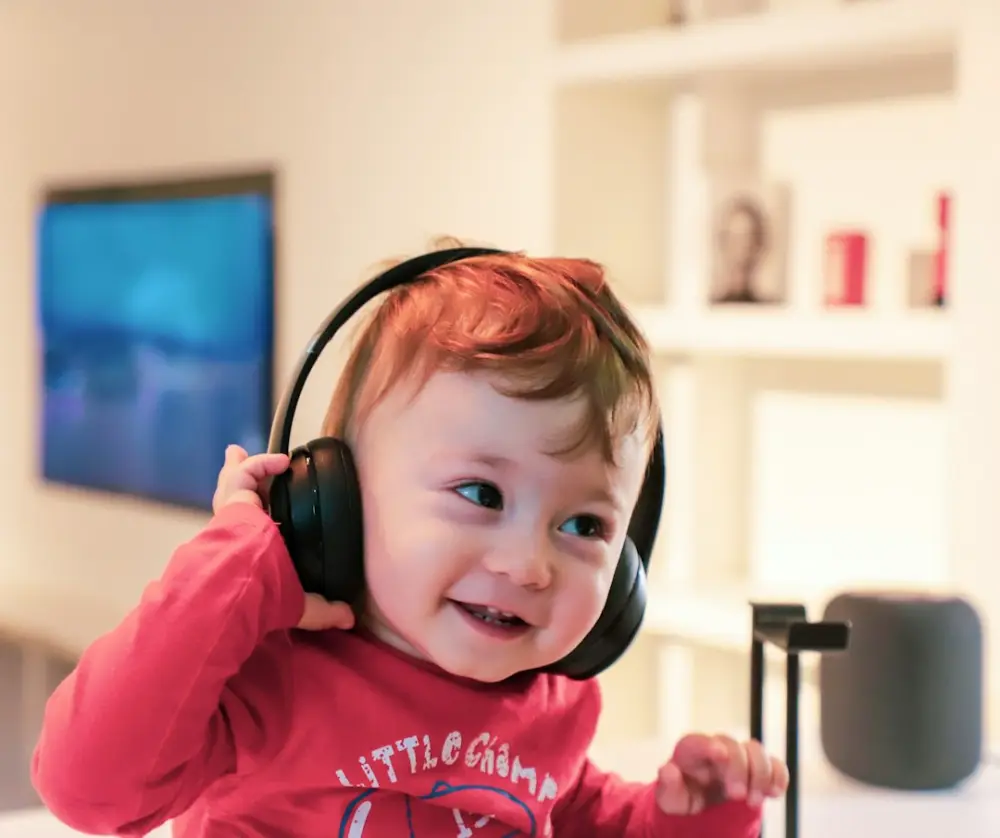
Fitting audio listening around busy routines involves integrating audiobooks, podcasts, or educational content into existing daily habits. By identifying "dead time"—moments like commuting, cleaning, or exercising—listeners can consume content without needing dedicated sitting time. This method maximizes productivity and transforms routine chores into opportunities for learning, entertainment, and personal growth.
For many, the struggle isn't a lack of interest in stories or information, but a lack of stationary time. In 2026, the shift toward audio allows for a hands-free, eyes-free engagement with literature. By leveraging a smartphone and a reliable pair of earbuds, you can turn a forty-minute grocery run into a deep dive into a historical biography or a full-cast audio drama.
Mastering Audio in a Packed Schedule
Mastering the art of audio listening requires a shift in how we view "reading." Instead of seeing it as an activity that requires a chair and a lamp, we can view it as a layer of our existing day. This concept, often called habit stacking, involves pairing a mental activity with a physical one. For example, if you already have a habit of walking the dog every morning at 7:00 AM, that becomes your designated time for a specific audiobook.
The key to consistency is preparation. Keeping a queue of titles ready ensures that you never spend your limited "gap time" scrolling through a store looking for something to hear. Many listeners find success by choosing different genres for different times of day. A fast-paced thriller might be perfect for a high-energy gym session, while a thoughtful essay collection fits the slower pace of folding laundry in the evening.
Identifying Gaps in Your Daily Routine
To find more time for listening, look for moments of low cognitive load. These are tasks that you can perform on autopilot—activities that require your hands and eyes but very little of your analytical brain. Identifying these gaps allows you to realize that audio content is perfect for busy lifestyles because it populates the silence of repetitive motion.
Common gaps include the morning transition (showering and dressing), the midday reset (walking to get coffee or eating lunch alone), and the evening wind-down. Even a five-minute wait at a bus stop or a pharmacy counter is enough time to finish a short chapter. Over a week, these five-minute increments can easily add up to several hours of progress through a book.
15 Activities to Pair With Audiobooks
If you are looking for specific ways to integrate more performance-based audio into your day, consider these fifteen common activities:
- Commuting: Whether driving or using public transit, this is the most common time to engage with long-form storytelling.
- Meal Preparation: Chopping, stirring, and plating are rhythmic tasks that pair well with complex narratives.
- Household Cleaning: Vacuuming or dusting becomes significantly less tedious when you are immersed in a mystery.
- Walking or Jogging: Physical movement often helps the brain process spoken information more effectively.
- Grocery Shopping: Navigating aisles with a pair of noise-canceling headphones makes the chore feel like a private escape.
- Laundry: Folding and sorting provide a meditative space for shorter audio essays or podcasts.
- Gardening: Planting or weeding allows for hours of uninterrupted listening in the fresh air.
- Repetitive Work Tasks: If your job involves data entry or filing, audio can help maintain focus.
- Dressing and Grooming: Start your book while getting ready in the morning to set a calm tone for the day.
- DIY Projects: Painting a room or assembling furniture are perfect "long-listen" activities.
- Stretching or Yoga: A calm, narrated memoir can enhance a low-impact wellness routine.
- Dishwashing: This daily necessity is a prime candidate for a 15-minute chapter.
- Commuting to School: For students, this is a great time to listen to assigned texts or educational supplements.
- Waiting in Line: Instead of checking social media, use these brief windows to advance your current book.
- Nighttime Relaxation: Listening to a familiar narrator can help signal to the brain that it is time to sleep.
Staying Focused While Listening on the Go
One challenge of listening during a busy routine is maintaining focus. External distractions—traffic, conversations, or sudden changes in your environment—can cause you to lose the thread of a story. To combat this, utilize the "rewind 30 seconds" button liberally. There is no shame in repeating a segment if your attention drifted while crossing a busy street.
Another technique is adjusting the narration speed. Some listeners find that a slightly faster pace (1.1x or 1.2x) actually keeps their mind from wandering, as the information delivery matches their internal processing speed. Conversely, for dense literature or full-cast productions with various sound effects, a standard 1.0x speed is usually best to appreciate the artistic nuances. Remember that we still need the human soul in these performances; the narrator’s breath, timing, and emotion are what truly anchor your focus to the material.
Habits to Increase Weekly Listening Time
To see a significant increase in your weekly listening, treat your audio app like a physical book on your nightstand. Make it accessible. Place the app icon on your phone's home screen. Ensure your wireless headphones are charged and kept in a consistent spot, such as next to your car keys or in your gym bag.
Setting small, achievable goals also helps. Rather than aiming to finish a 20-hour audiobook in a week, aim to listen for 20 minutes during your lunch break. Consistency is more valuable than intensity. You might also consider joining a digital audio book club where the shared deadline provides the necessary nudge to keep listening even during particularly hectic weeks.
Community Discussion and Feedback
We often hear from listeners who have discovered unique ways to fit audio into their lives. Some use waterproof speakers to listen in the shower, while others have dedicated "audio-only" hobbies like knitting or model building. Sharing these strategies helps the community find new pockets of time they might have overlooked.
What is your primary "listening window"? Do you find that you prefer non-fiction during the workday and fiction in the evening? The hardware you use—whether it is a high-end home audio system or a simple pair of wired buds—can also change how you experience a narrator's performance. Feedback from the community often highlights how the right narrator can turn a mundane commute into the highlight of the day.
More Audio Guides and Content
The transition from traditional reading to audio listening is a practical response to the demands of 2026. It is about reclaiming the oral tradition of storytelling and making it work for a modern schedule. By identifying the gaps in your day and pairing them with high-quality performances, you ensure that your intellectual and emotional growth doesn't have to stop just because you are busy.
At Me Gusta Escuchar, we believe that the human voice is a powerful tool for connection. Whether you are navigating a crowded subway or simply washing the evening dishes, the presence of a skilled narrator brings a unique depth to the written word. Exploring these habits allows you to maintain a rich literary life without needing to clear your calendar. We invite you to continue exploring our guides on performance quality and listening habits to make the most of every minute you spend with a story.