
The Quiet Evolution of the Spoken Word
For a long time, the audiobook was a solitary endeavor. It was a bridge built between one author, one narrator, and one listener. There is a profound beauty in that singular voice—the way a skilled narrator can inhabit a dozen different souls, shifting their cadence just enough to let us know who is speaking. But lately, a shift has occurred. We are moving away from the monologue and toward the symphony. Full cast audiobooks are no longer a niche experiment; they are fundamentally changing the architecture of how we consume stories.
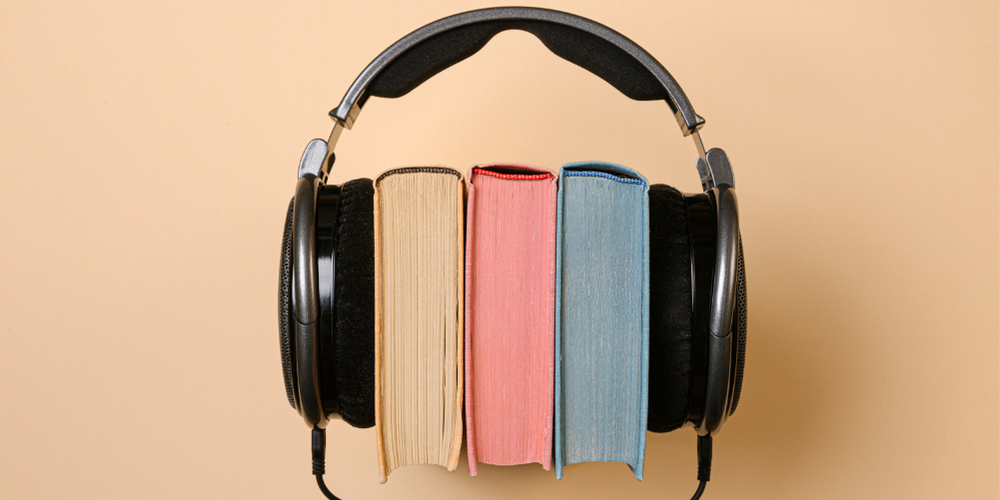
This shift highlights the benefits of audio-based content, showing how these immersive stories can foster productivity and relaxation in our daily lives.
As we navigate an increasingly digital world, our relationship with sound is deepening. We are looking for more than just information; we are looking for presence. The rise of multi-voice productions represents a return to something ancient—the communal fire where stories weren’t just told, but performed. It asks us to stop simply ‘reading’ with our ears and start witnessing a world in motion.
Beyond the Single Voice: A Return to Oral Tradition
There is a specific kind of magic that happens when a story is populated by a full cast of actors. In a traditional audiobook, the narrator acts as a translator, filtering the text through their own unique lens. In a full cast production, that filter is removed. We hear the grit in a protagonist’s voice, the genuine laughter of a sidekick, and the chilling calm of an antagonist, all delivered by different people who bring their own lived experiences to the microphone.
This shift reflects a deeper human need for connection. When we hear a variety of voices, the story feels less like a lecture and more like a lived reality. It mimics the natural chaos of life—the overlapping conversations, the distinct tones of different generations, and the emotional resonance that only a specific vocal timbre can provide. This isn’t just about entertainment; it’s about the texture of empathy.
Why Full Cast Productions Resonate So Deeply
- Character Clarity: With distinct actors, the mental effort required to track who is speaking vanishes, allowing the listener to sink deeper into the emotional current of the scene.
- Cinematic Immersion: Many full cast productions include atmospheric sound design—the distant hum of a city, the rustle of leaves, or the haunting swell of an original score.
- Diverse Representation: Multiple voices allow for authentic accents and cultural nuances that a single narrator might struggle to replicate respectfully.
- Emotional Dynamic: The chemistry between two actors performing a scene together creates a spark that a solo reading often lacks.
The Cinematic Shift: When Audiobooks Become Experiences
We are witnessing the birth of a new medium that sits comfortably between the novel and the film. Some call it ‘theater of the mind,’ and for good reason. When we listen to a full cast production, our brains work differently. Because we aren’t tethered to a screen, our imagination is forced to build the sets, light the scenes, and dress the characters. The audio provides the soul, but we provide the canvas.
This ‘audio-first’ approach is a direct response to the screen fatigue that defines modern life. We are tired of the blue light, the constant scrolling, and the visual overstimulation. A full cast audiobook offers the same richness as a prestige television series but allows us to rest our eyes. It is a meditative form of consumption that feels both productive and deeply relaxing. It allows us to be present in our physical world—walking the dog, commuting, or cooking—while being fully transported to another.
The Modern Need for Immersive Storytelling
Why is this happening now? Perhaps it is because our lives have become more fragmented. We crave experiences that are ‘unputdownable,’ stories that can cut through the noise of social media and constant notifications. A full cast audiobook demands a different kind of attention. It wraps around you, creating a 360-degree environment that makes it nearly impossible to remain a passive observer.
Furthermore, the technology behind audio production has reached a tipping point. Spatial audio and high-fidelity recording mean that we can hear the direction of a footstep or the intimacy of a whisper as if the character is standing right behind us. This technical prowess, combined with high-tier acting talent, has elevated the medium from a ‘subset of publishing’ to a standalone art form.
A Final Reflection: The Future of Listening
As we look forward, the line between ‘reading’ and ‘listening’ will likely continue to blur. We are rediscovering that the human voice is perhaps the most powerful tool we have for conveying truth. By embracing full cast productions, we aren’t losing the essence of the book; we are expanding its horizons. We are allowing stories to breathe in three dimensions.
Ultimately, full cast audiobooks remind us that stories are not just strings of words on a page. They are vibrations. They are the echoes of people trying to understand one another. Whether it is a sprawling epic fantasy or a quiet, character-driven drama, the addition of more voices only makes the human experience feel more inclusive, more vibrant, and more real. We aren’t just listening to a story anymore; we are living inside of it.